


Could Your U.S. Assets Be Subject to Estate Tax?

What You Should Know Before Transferring Wealth to the Next Generation
When people think about inheritance, they often focus on passing assets to family members. From a tax perspective, however, there is an important issue that many people overlook: Estate Tax.
While not every estate is subject to this federal tax, understanding how it works is essential, especially if you own significant wealth, investments, or real estate in the United States. Proper estate planning can help protect your assets and reduce potential complications for your heirs.
What Is Estate Tax?
The U.S. Estate Tax is a federal tax that may apply to a person's estate upon death. Before assets are distributed to beneficiaries, the estate may be reviewed to determine whether any federal estate tax is due.
It is important to understand that this tax may apply not only to U.S. citizens and residents, but also to certain foreign individuals who own assets located in the United States. Whether estate tax applies depends on several factors, including the value of the estate, the type of assets owned, and the owner's tax status.
For 2026, U.S. citizens and U.S. tax residents have an estate tax exclusion of approximately $15 million per individual before the federal Estate Tax generally applies. However, Non-Resident Aliens (NRAs) are generally entitled to only a $60,000 exemption for certain U.S.-situated assets. This significant difference makes estate planning especially important for foreign investors and non-U.S. property owners.
In addition to the federal Estate Tax, some states have their own estate or inheritance tax rules, making it important to evaluate each situation individually.
Which Assets May Be Included in Your Estate?
Depending on the owner's tax status, certain assets may be included in the estate for Estate Tax purposes, including:
Real estate.
Bank accounts.
Investments.
Business ownership interests.
Stocks.
Vehicles.
Certain insurance policies and other financial assets.
Many people assume that Estate Tax is only a concern for ultra-high-net-worth individuals. However, as investment portfolios and family wealth grow, it becomes increasingly important to understand how these assets may be treated from a tax perspective.
What Happens If You Are a Foreign Owner with U.S. Assets?
One of the situations that creates the most confusion involves individuals who are not U.S. citizens or U.S. tax residents but own assets in the United States.
For example, a foreign investor who owns U.S. real estate, holds financial investments, or has an ownership interest in a U.S. business may be subject to special Estate Tax rules.
In these situations, proper estate planning can make a significant difference. For example, if a foreign investor purchases a vacation home in the United States for $1 million and, over time, its value increases to $3 million, any potential Estate Tax calculation is generally based on the fair market value at the date of death, not the original purchase price.
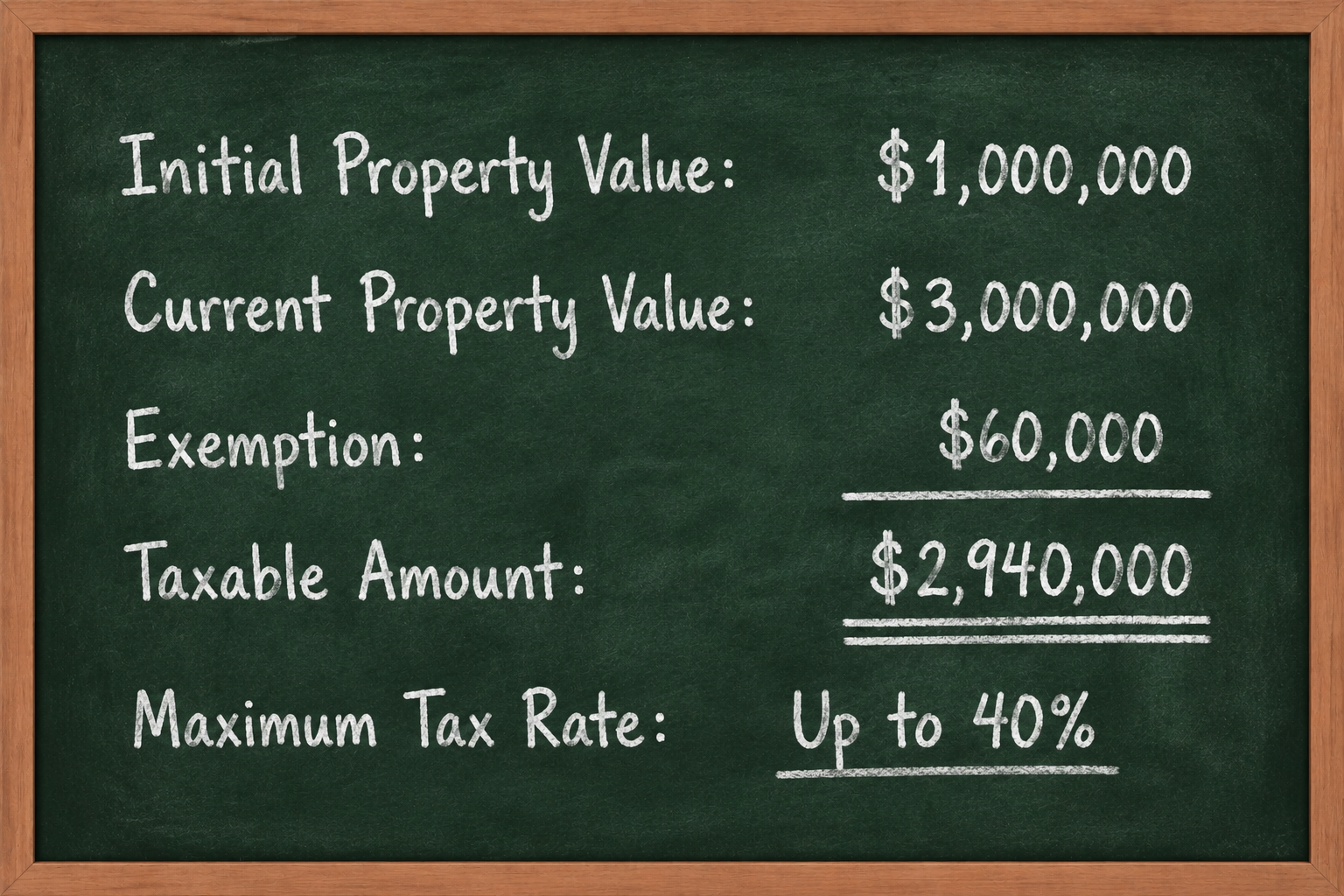
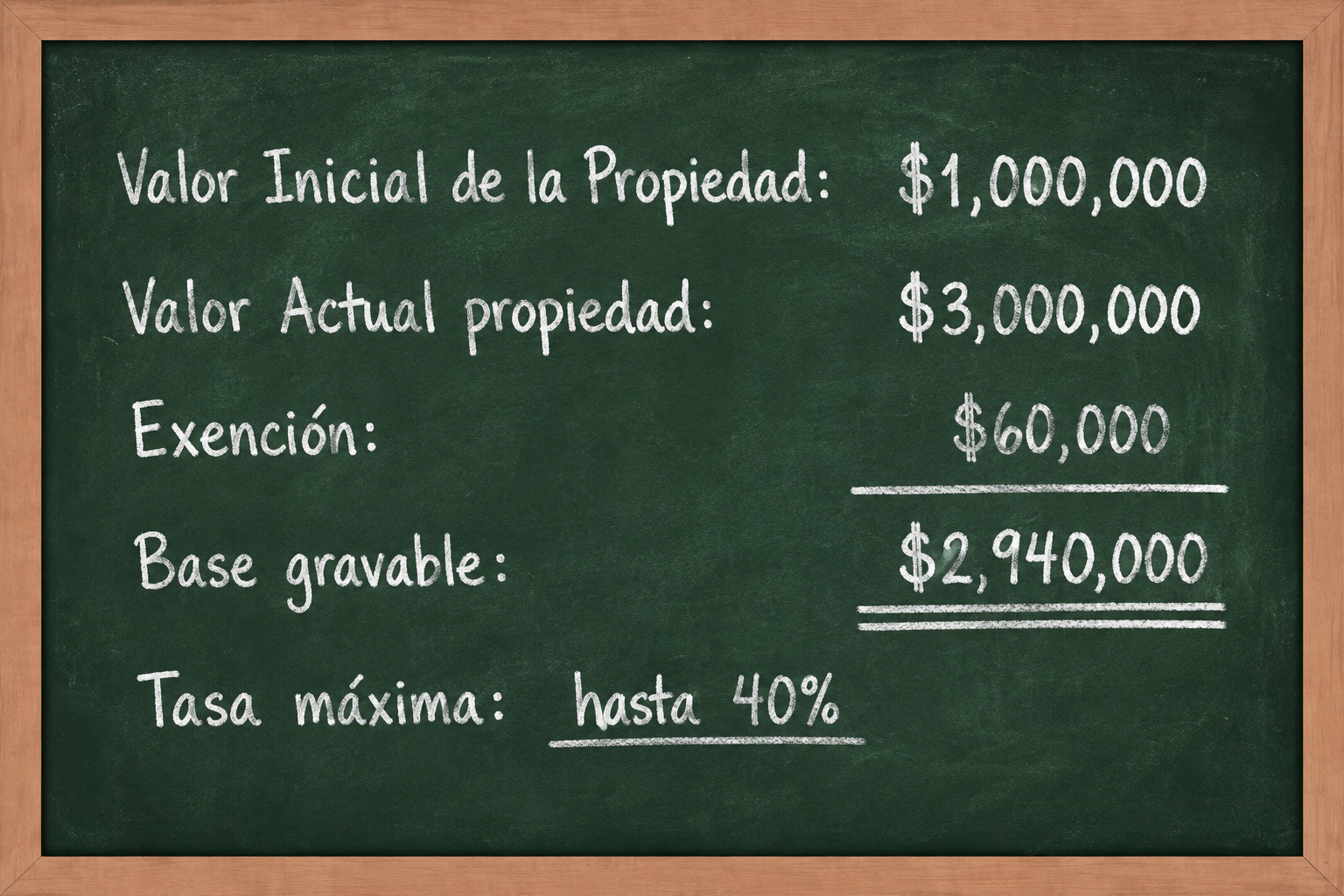
Depending on the circumstances, there are legal structures and planning strategies that may help manage these assets more efficiently.
Assuming the same rules apply to everyone can create unexpected consequences for heirs, which is why every situation should be evaluated individually with experienced professional guidance.

How Jambrina CPA can help you
If you own real estate, investments, or other assets in the United States, it is important to understand how the Estate Tax rules could affect both you and your heirs.
Every estate is unique, and a personalized planning strategy can help you make more informed decisions. We analyze your situation, review your asset structure, and help you understand the planning options that may be available based on your specific circumstances.
At Jambrina CPA, we assist individuals, families, and domestic and international investors with estate planning analysis, asset structure reviews, and understanding the U.S. tax implications related to Estate Tax.
Work with a trusted CPA in English or Spanish and receive professional tax guidance to help protect your wealth and plan confidently for the future.
The right planning today can make a meaningful difference for future generations.